Why Runners Stay Injured — And What Biomechanics Reveals.
For runners who struggle with knee pain, shin splints, hip issues, or recurring injuries — biomechanics shows what shoes and treatments cannot.
Who This Is For
Pain-based runner profiles we help

Shoe Changers
Runners who keep changing shoes but never fix the pain

Chronic Knee Pain
Runners with chronic knee pain or IT band tightness

Shin Splints
Runners with shin splints that return every season

Plantar & Achilles Pain
Runners with plantar fasciitis or Achilles issues

Slower Despite Training
Runners who feel "slower" despite more training

Imbalanced Runners
Runners who feel imbalanced left vs right
Success Stories
Real results from real people
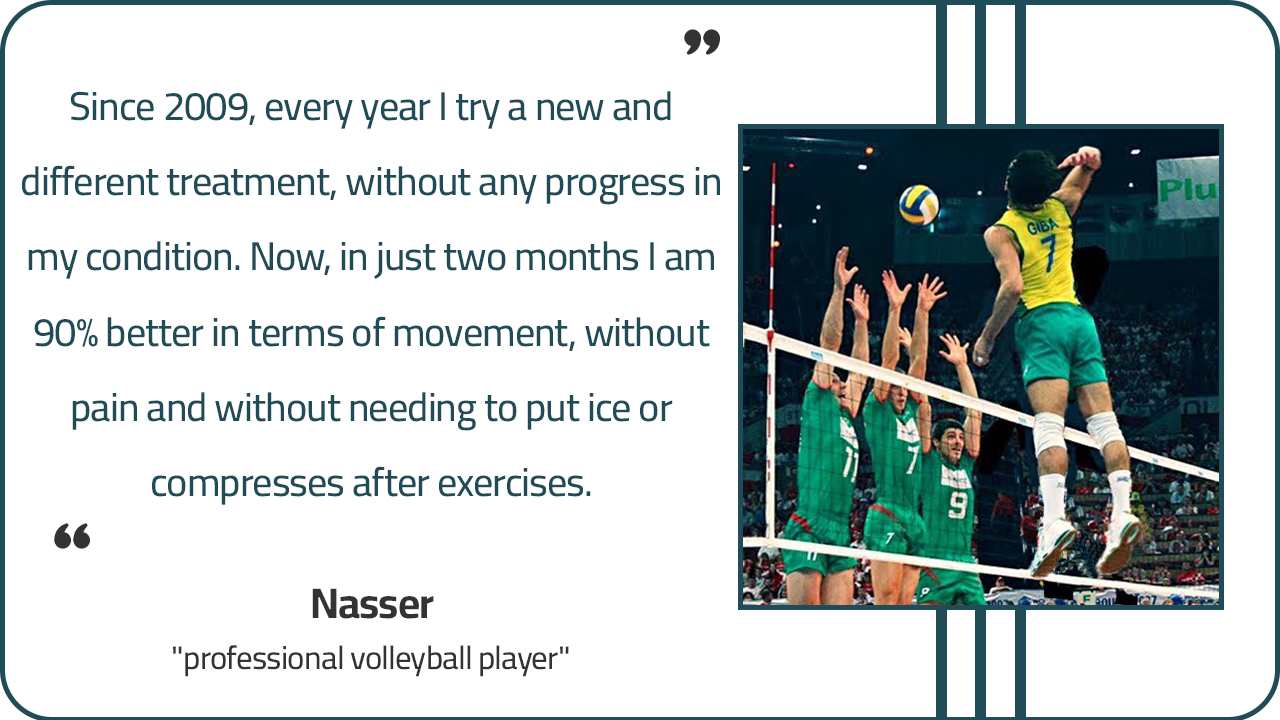
Nasser Al-Enezi
Volleyball Athlete
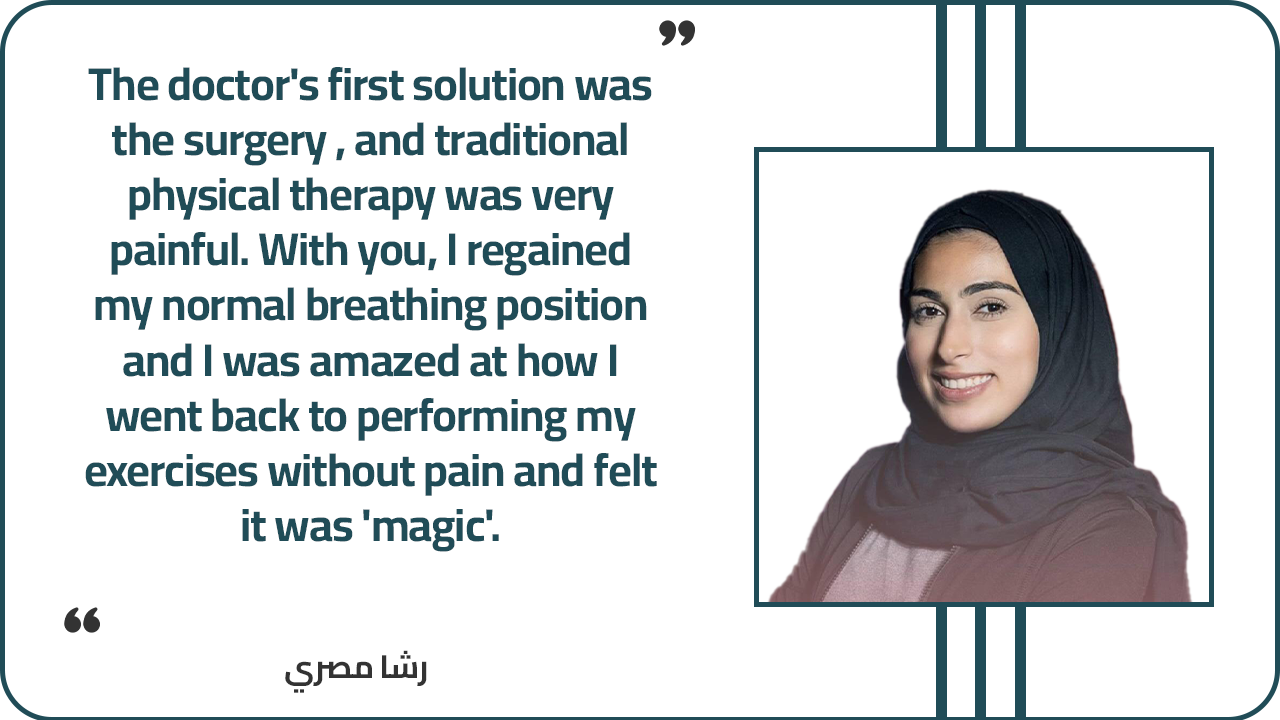
Rasha Masri
Hyrox Athlete
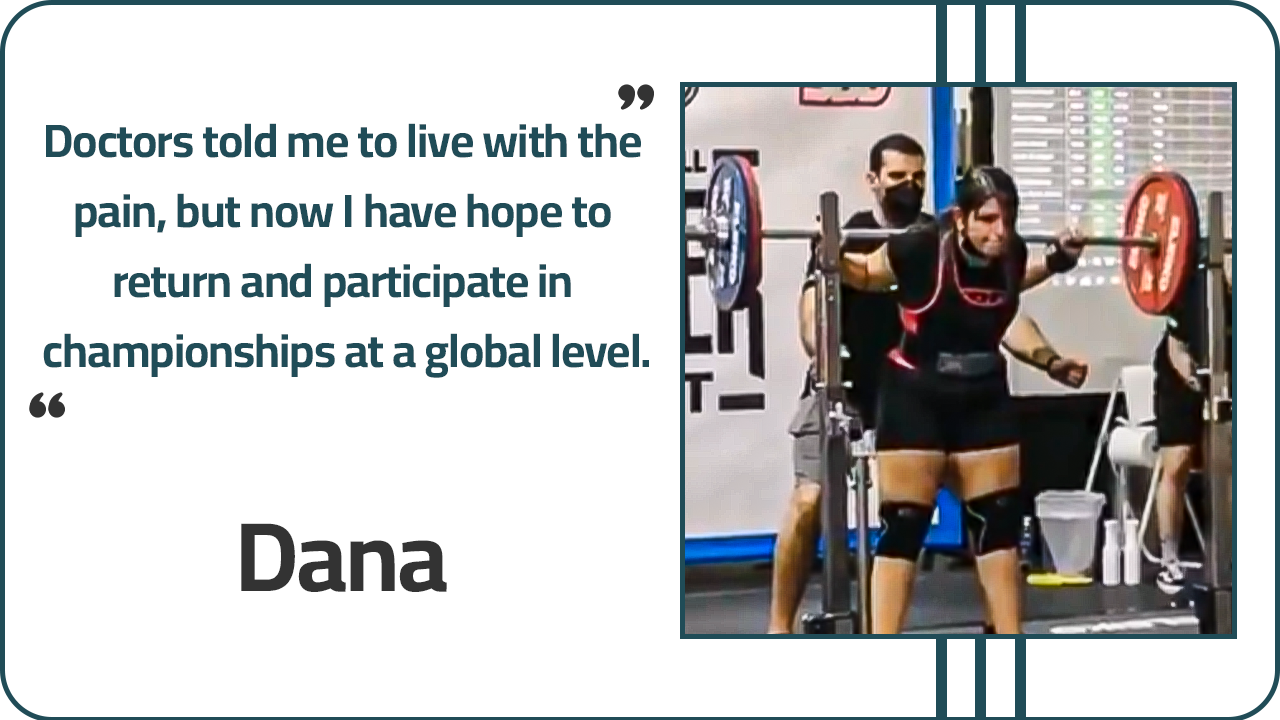
Dana Akel
Powerlifter
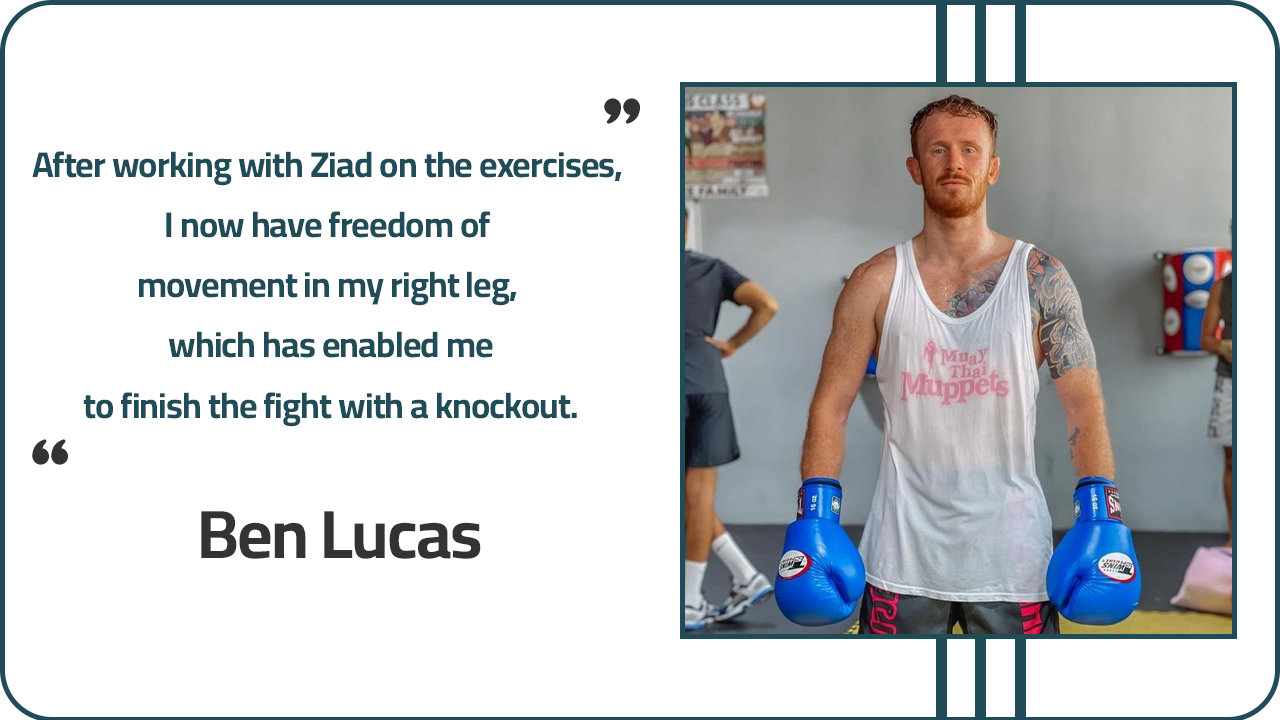
Ben Lucas
Muay Thai Athlete
Matar Al-Ahbabi
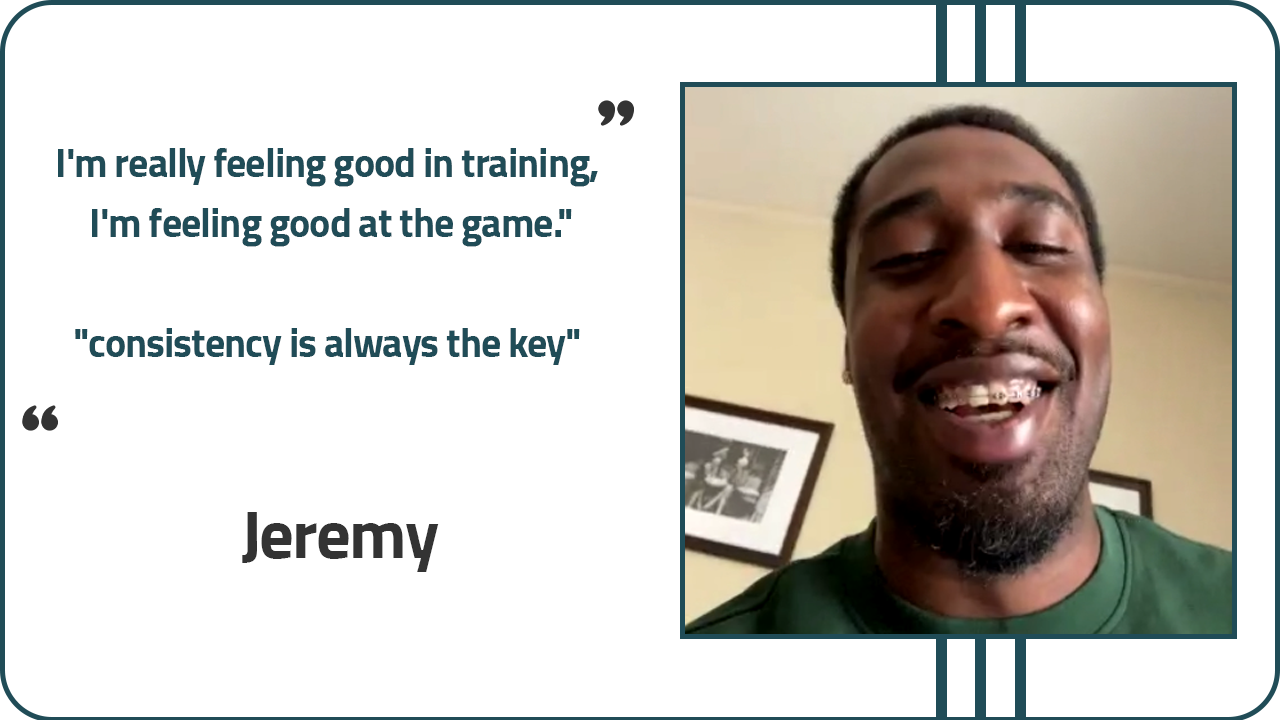
Jeremy Hayes
Athlete
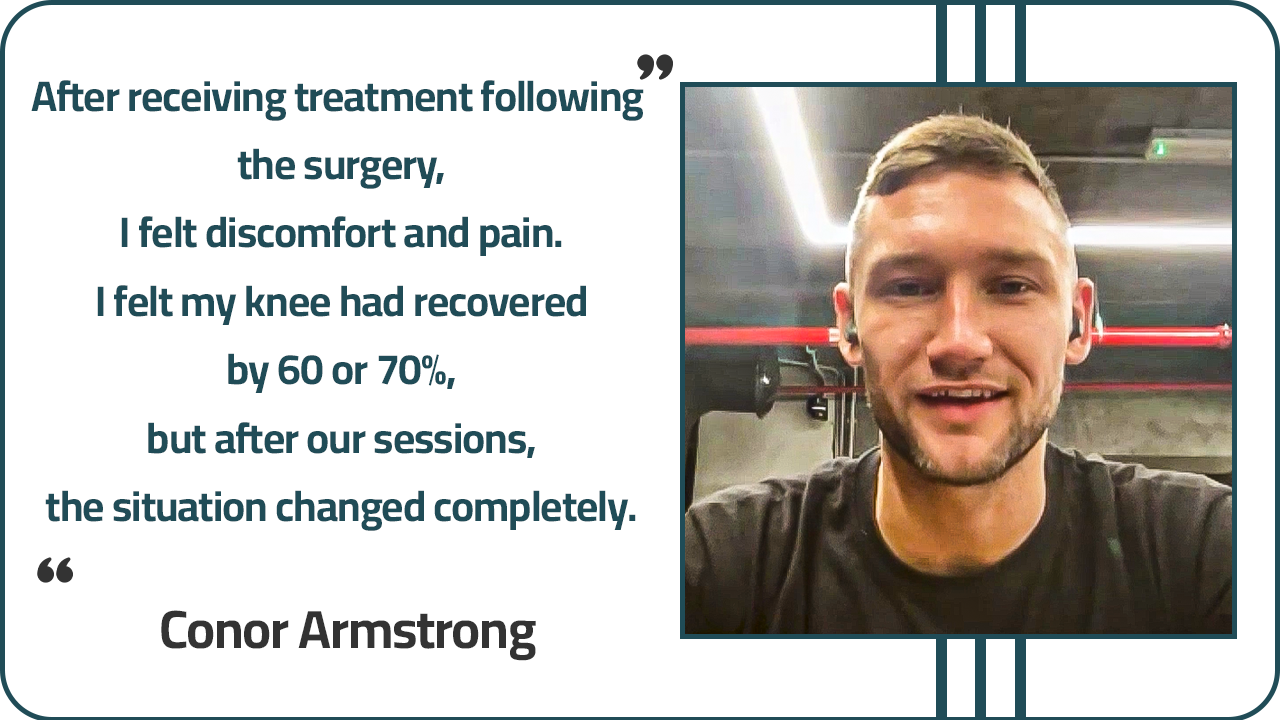
Connor Armstrong
Athlete
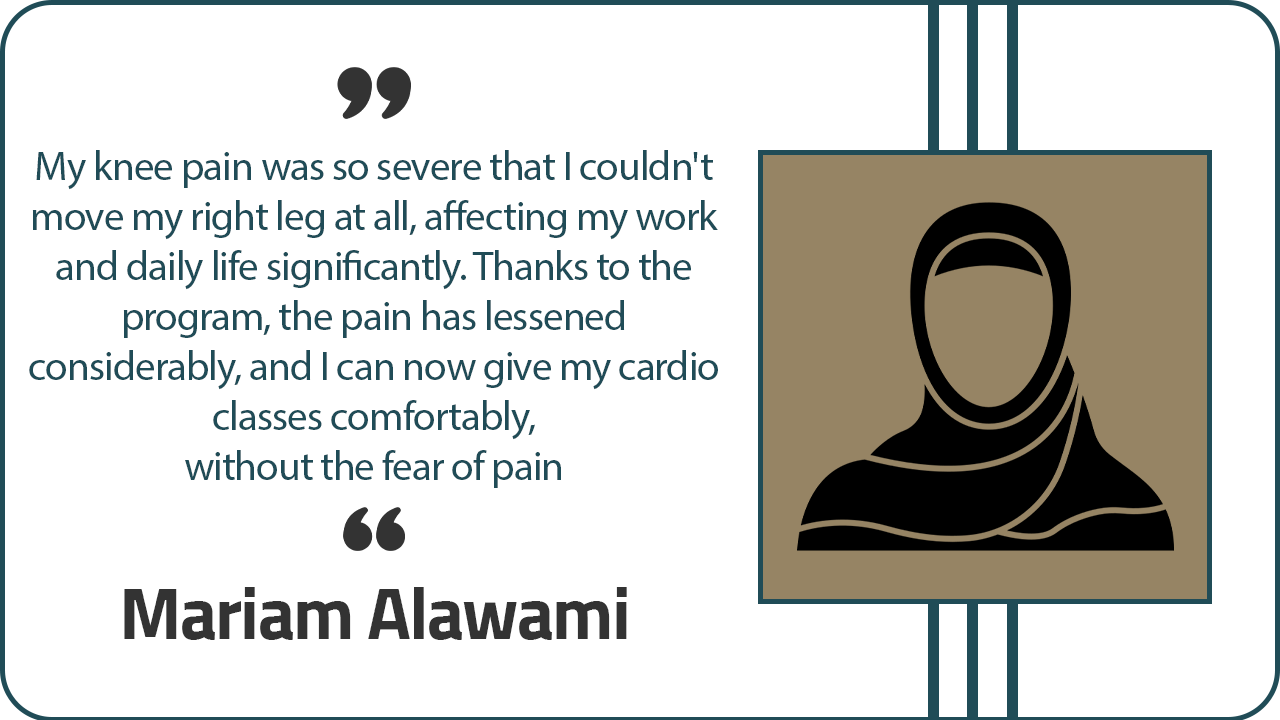
Mariam Alawami
Athlete
Why Biomechanics Matters
Most runners don't have a pain problem — they have a movement-loading problem.
Biomechanics reveals WHY your foot, knee, hip, or back is absorbing more force than it should.
- Loading distribution
- Cadence and stride mechanics
- Hip stability and pelvic control
- Foot mechanics and pronation
- Upper body rotation and breathing
9+
Years Experience
What We Assess in Runners
Real before & after results from our biomechanical assessments
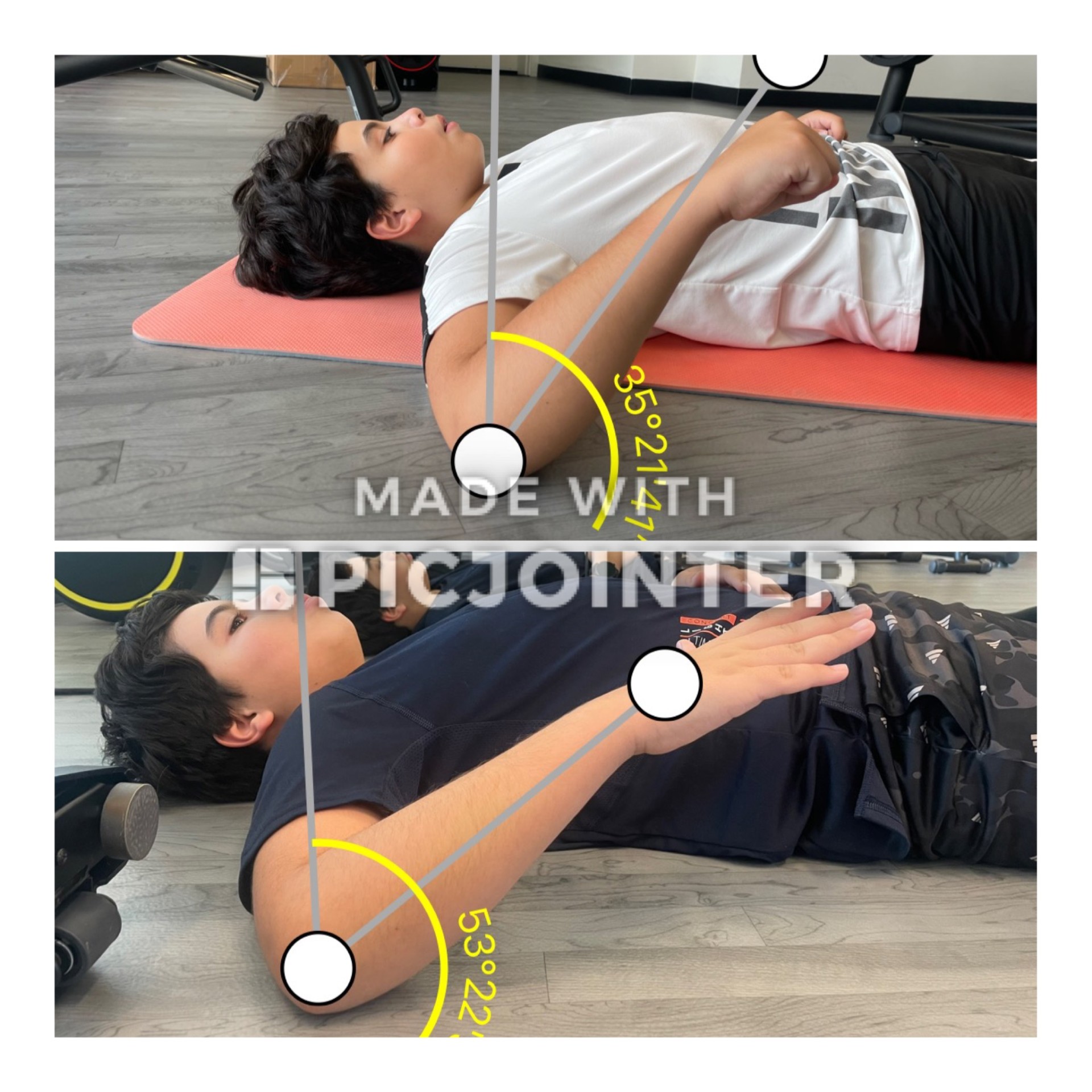
Shoulder Alignment
Angle measurements showing improvement
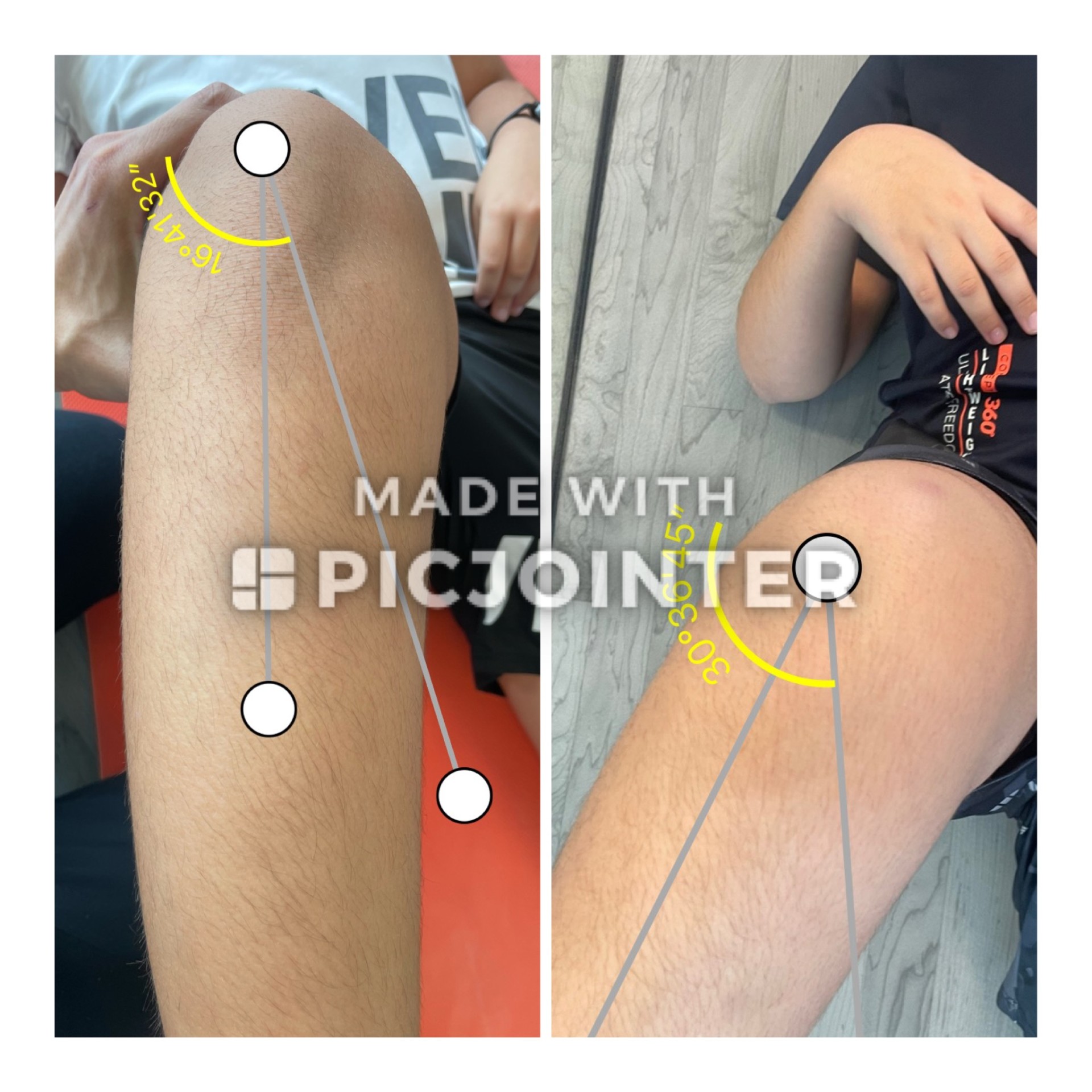
Hip Internal Rotation
Angle measurements showing improvement
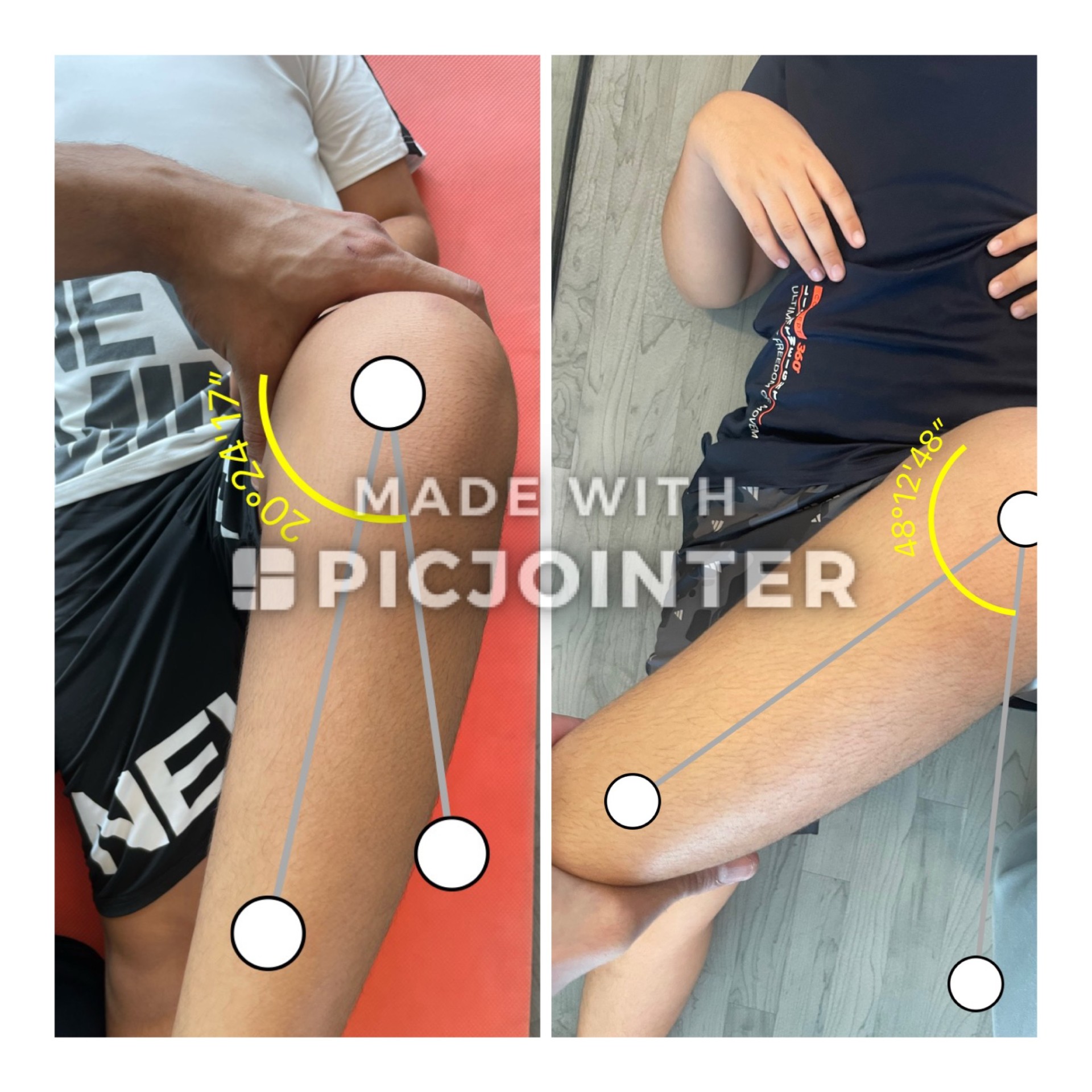
Hip External Rotation
Angle measurements showing improvement
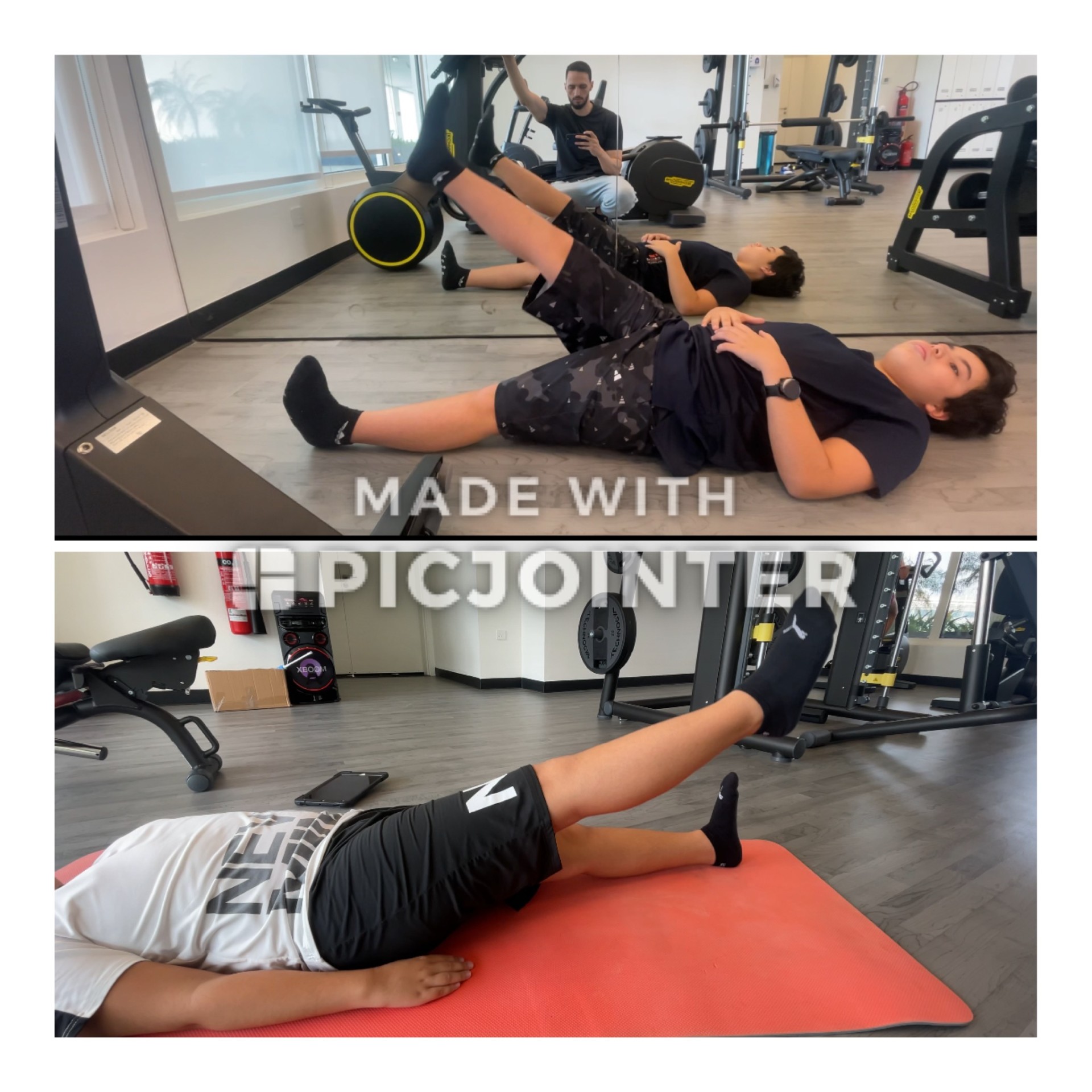
Pelvis Mobility
Angle measurements showing improvement
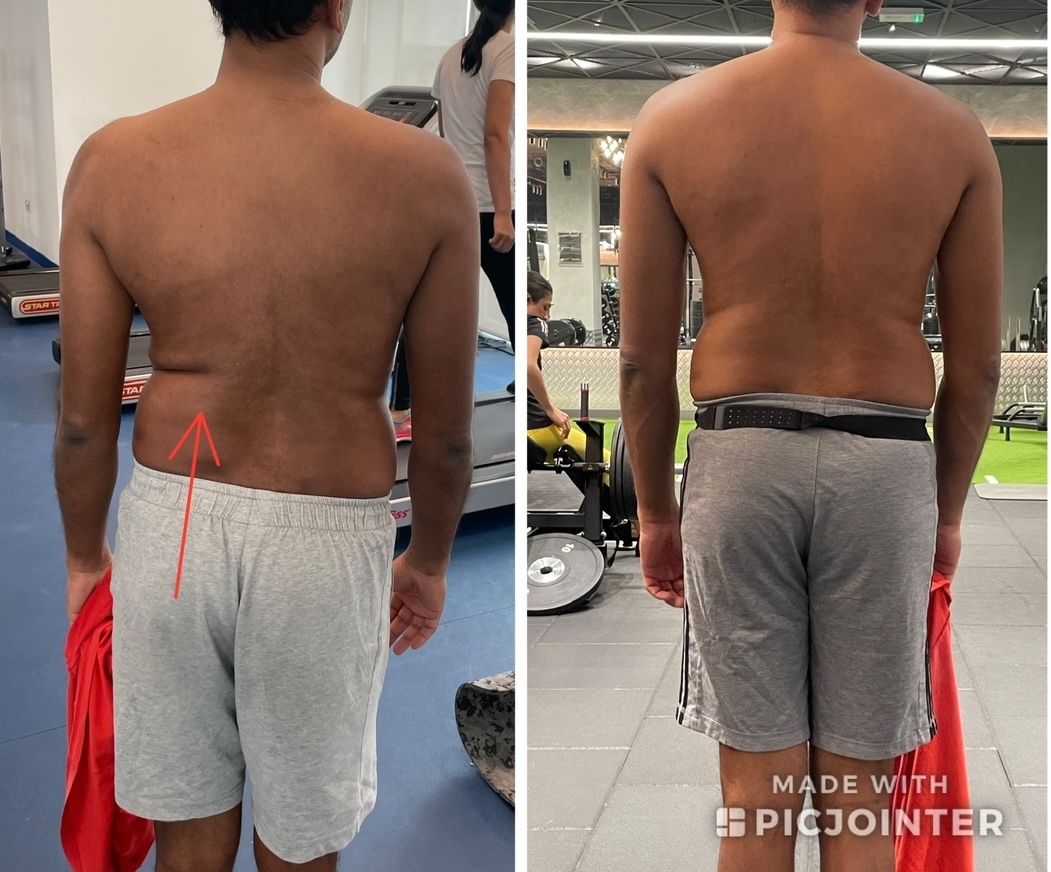
Hip Hike & Spine Alignment
Angle measurements showing improvement
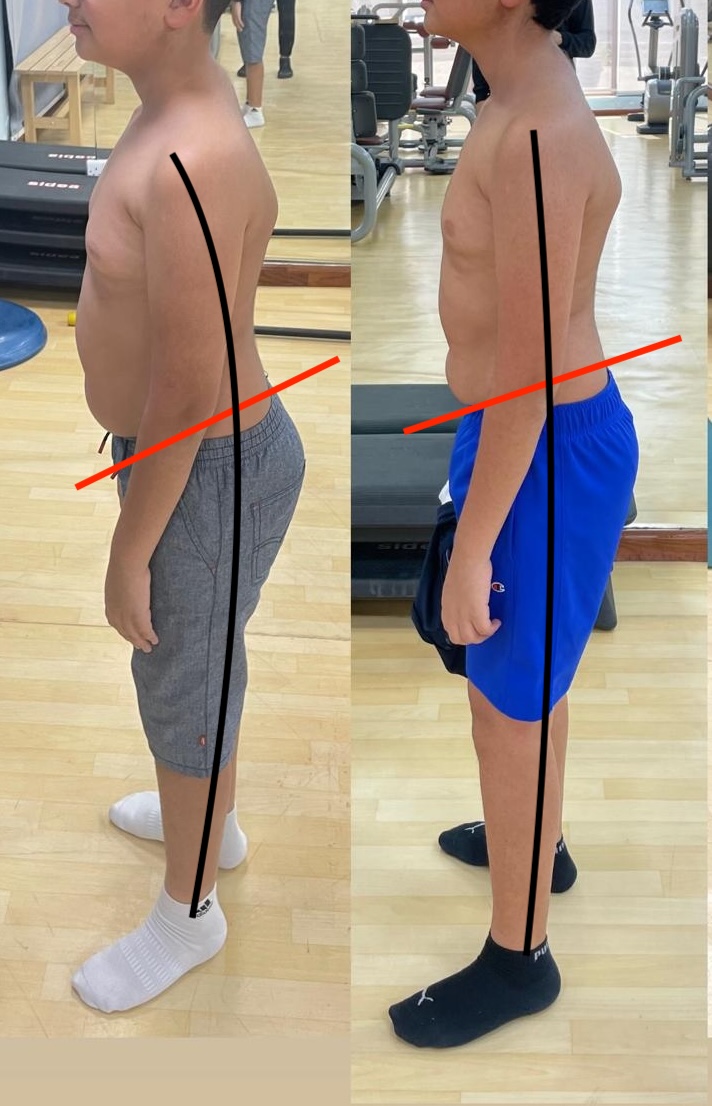
Pelvic Anterior Tilt Fix
Angle measurements showing improvement
Our reports explain what your body is doing — and what needs correction.



Ziad Salah
Founder, Movement Optimization
Credentials:
Partnerships and Collaborations:
Specialized in rehabilitation, human mechanics, posture, and performance enhancement.